Linguaphile 1
Delivered to Stack subscribers in
Mar 2026
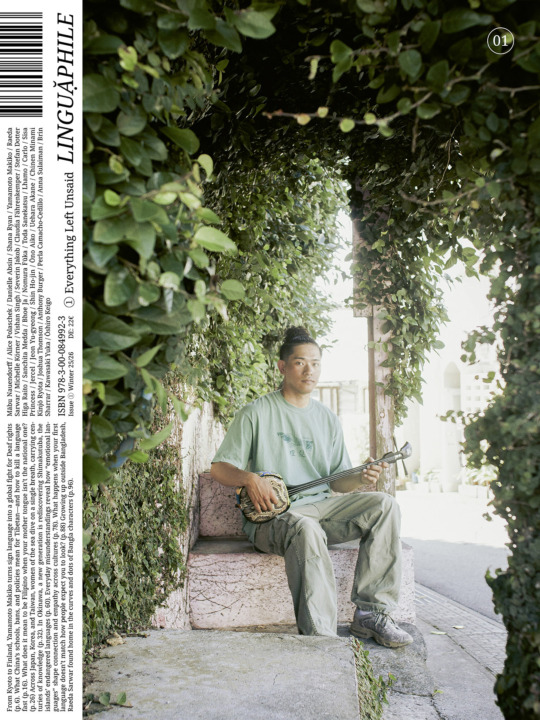
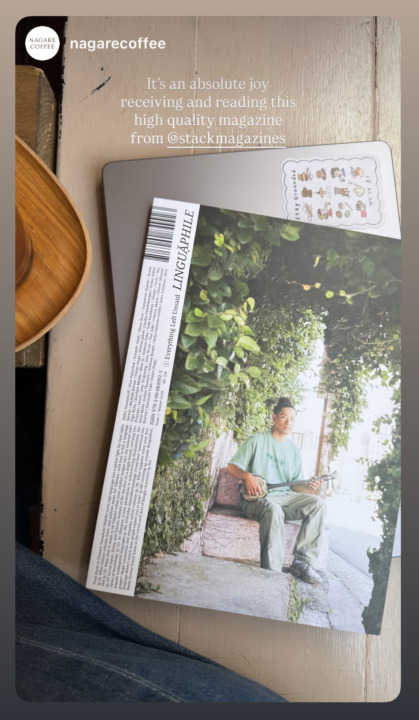
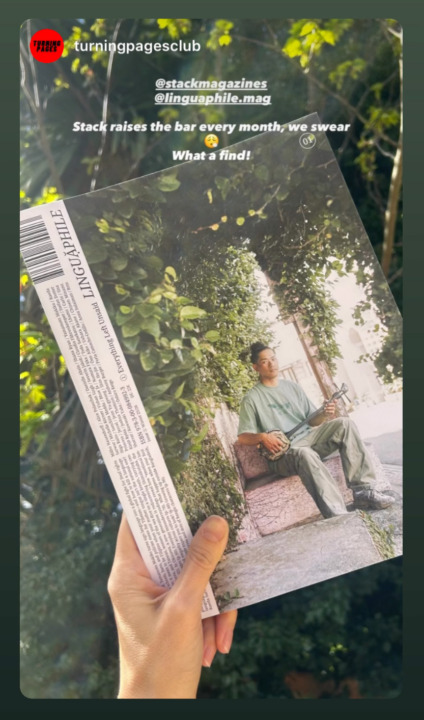
A magazine of translation, the first issue of Linguaphile is particularly interested in languages across Asia, telling stories about the places and occasions where some meaning is literally lost in translation.
Name
Mābu Nauendorff
Job title
Editor-in-chief
What is Linguaphile?
This is something I could surely answer very briefly, but I will take a bit more time to give a fuller response.
Linguaphile is a magazine about people and their languages. More precisely, it is about people whose relationship to language is, in one way or another, complicated. Some grew up speaking minoritised languages. Some live far from places where their ancestral languages are spoken. Others navigate the in-between spaces of multilingualism, carrying several linguistic selves at once.
Linguaphile aims to amplify these voices by telling their stories: stories of language, but also always stories of people. Again and again, they reveal well-known patterns of colonialism, racism, and discrimination, deeply connected with global structures of power and oppression. In this sense, Linguaphile is an inherently political magazine. So why focus on language, rather than addressing these issues more directly? Language is fundamental to being human. It shapes how we think, how we form and articulate our thoughts, how we understand the world and one another. Language is the foundation of identity and consciousness. And for that very reason, it is also one of the most vulnerable points of attack in processes of oppression and assimilation. Across history, colonial policies have repeatedly targeted language as a primary means of control, may that be through enforced education, prohibition, or erasure.
Yet this dimension of language remains largely absent from public discourse. Engagement with minoritised languages is often confined to academic spaces, which are often technical and inaccessible. You can read paper after paper and still never encounter the lived reality of someone whose linguistic identity is at risk.
As a magazine, we want to bridge that gap. We want to create awareness for language loss and the systems that drive it, as well as the beauty, memory, and connection that languages carry. Every language, no matter how widely spoken, offers a distinct way of seeing and relating to the world.
The word “linguaphile” simply means “someone who loves language.” I hope our readers become linguaphiles, too.
What makes it different to the rest?
I think the main difference is that we look at language from an uncommon perspective. A lot of language magazines or platforms focus on grammar, structure, interesting aspects of a specific language or how to learn a language in general. We don’t do that at all. We’re much more interested in who speaks or signs a language, who doesn’t, and what that actually means in their life. However, not positioning ourselves within the “language learning community” online doesn’t mean that those aspects of language aren’t worth exploring.
Our approach also affects how we work. We try to stay in close contact with the people whose stories we tell, rather than just writing about them from a distance. In many cases, that means travelling, spending time together, and doing a lot of research. Because of that, putting together an issue takes quite a long time, but it also means the stories are more grounded. At the same time, we try to make these complex topics accessible without turning them into something overly simplified.
Who makes Linguaphile?
Linguaphile is currently created by a core editorial team of four people, made up of linguists and third culture kids, alongside the many individuals whose stories we share through interviews or as guest authors. We also collaborate with photographers who are personally connected to these stories, or who find themselves in similar situations.
Who reads it?
Our readers are often people who find themselves in situations similar to those we feature in the magazine, but also people who may not have engaged with questions of language at all and are simply curious about others. I hope the magazine offers something meaningful to both.
Why do you work in magazines?
I’ve always been drawn to magazines as a medium of conversation and bringing people together. The word “magazine” itself comes from the Arabic makhāzin ( َم َخا ِزن) the plural of “warehouse.” I like to think of a magazine as a place where people bring something with them, and leave carrying something new.
Aside from the magazine, what else do you do?
I’m a graphic designer and writer. Most of what I do sits somewhere between language and design, often through editorial work. I’m particularly interested in how typography and writing systems connect to linguistics, and what designers can and should learn from that relationship.
I also run the indie publisher Kuina Books (@kuinabooks), where I publish zines and books on language, design, culture, and identity.
What would you change about Linguaphile if you could?
I would like to focus more on the positive, beautiful, and empowering aspects of language. The first issue necessarily deals a lot with the difficult and often traumatic histories that many now minoritised languages have gone through, because that context is important for understanding how things turned out this way. At the same time, this can also risk reducing language communities to being framed mainly as “endangered.”
Where do you see Linguaphile in five years?
I hope that by then we will have published at least one new issue, but not too many. We don’t want to rush things.
Delivered recently by Stack

A different independent magazine delivered every month from £12. Sign up today and discover a new world of reading outside the mainstream...
Subscribe to Stack now See 18 years of magazines