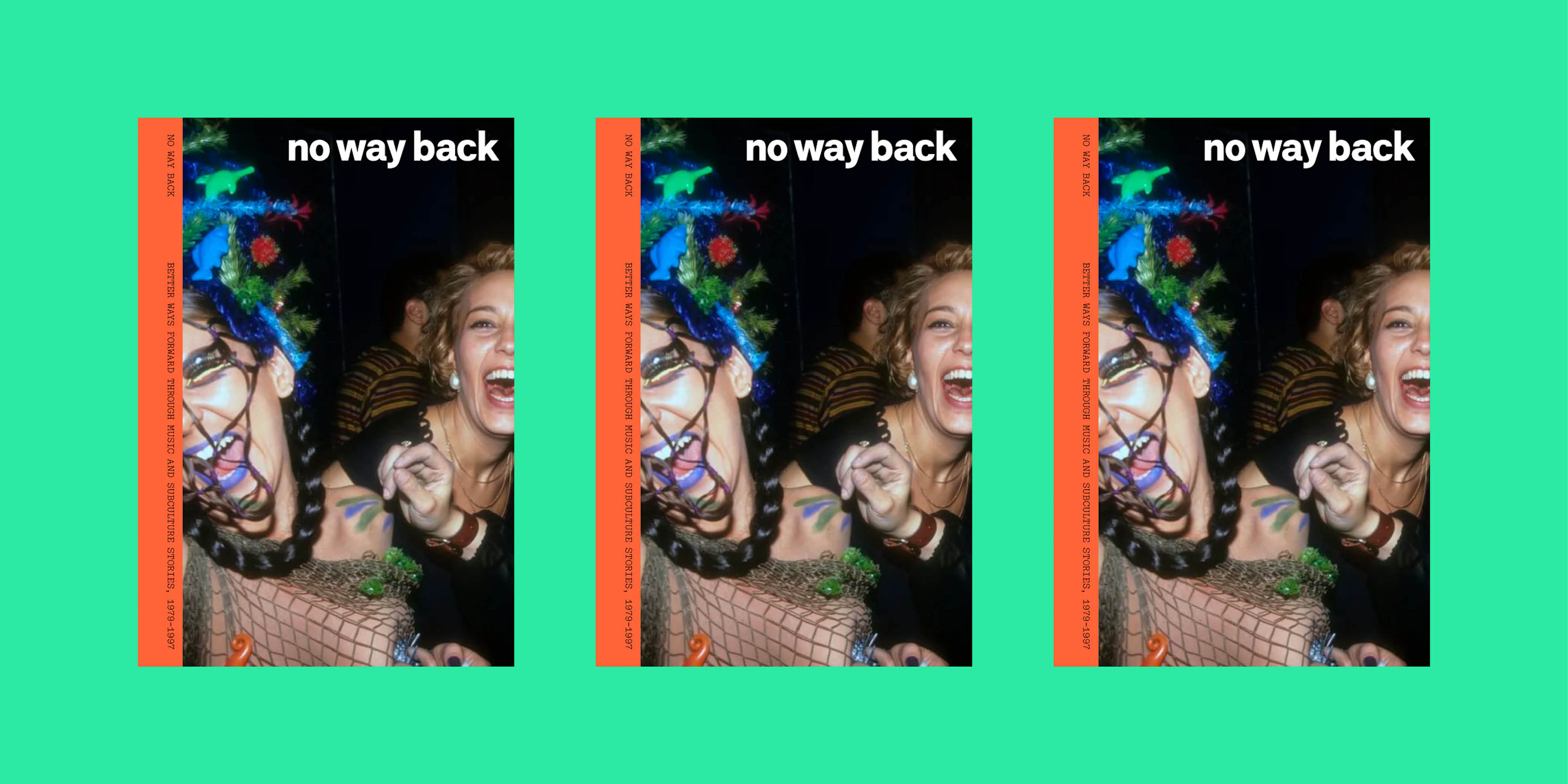
A first draft of musical history in No Way Back magazine
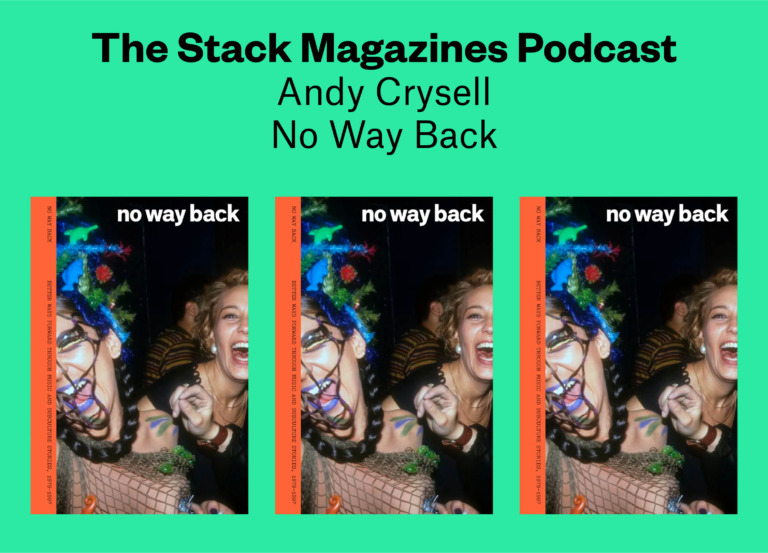
An archive publishing project that looks back at music and subcultures of the late 20th century, it would be easy for No Way Back magazine to slide into fond nostalgia. But instead of distant wistfulness, the magazine’s main currency is the immediacy of its writing. Dipping into a story from The Face in 1986, or Rolling Stone in 1979, the reader is carried along on the energy and excitement of the moment, rather than ruminating on what it all means decades later.
The magazine’s name is an indication that it doesn’t want to wallow in distant memories of the good old days, and the strapline assures readers that the point is, “Learning from, not longing for, the past”. In the podcast conversation above, editor Andy Crysell elaborates on the distinction:
“I love the fact that these people who were writing these stories and taking these pictures, it really was first draft of history stuff. They didn’t have the foggiest idea that people would still be talking about graffiti, and break dancing, and hip-hop almost 50 years later. So as much as there is a place for all the theorising and canonisation that’s come afterwards, there’s also something quite nice about the fact that it’s just people speaking about what they’re seeing in front of them.”
If he’s surprisingly unsenitmental about the past, he’s also particularly clear-eyed about the challenges of publishing a magazine in the 21st century. Print is important to the whole project and he talks about its particular strengths, but he’s also critical of the infrastructure for actually putting magazines in front of readers, arguing that work is needed for print publishing to fulfil its potential. After all, “You don’t want this next wave of print media to just feel like a lot of hobbyists.”
I think it’s significant that from the start, he and his partner Mark Maddox have conceived No Way Back as a brand that stretches beyond the magazine, and beyond music. This magazine is their first iteration of the project, but it’s easy to see the huge scope for telling stories about the past with this same sense of energy and immediacy.
It was great hearing about their plans for the magazine and beyond, and I hope you’ll enjoy listening to the conversation. (Or watching it via the video below.) If you’d like to hear more independent magazine makers speaking about what they do, please follow us on Spotify, or YouTube, or wherever you get your podcasts, and we’ll be able to deliver all our episodes to you as soon as they’re ready.